
Every teen experiences stressful situations while growing up, but some experiences leave a much deeper impact. When overwhelming events affect your teen’s sense of safety and well-being, they can influence emotions, behavior, relationships, and everyday life. Learning to recognize teen trauma signs and symptoms can help you understand what your child may be going through and when it may be time to seek mental health support.
Trauma is the emotional and physical response to a deeply distressing or frightening experience. It is not defined only by what happened, but also by how your teen’s brain and body react to that experience. A situation that feels manageable for one teen may be overwhelming for another. Trauma can affect how a teen thinks, feels, manages stress, and connects with other people, especially if the experience remains unresolved.
Many teens don’t have the words to explain what they’re feeling. Instead, trauma often appears through changes in mood, behavior, sleep, school performance, or relationships. Because these changes can look like typical teenage challenges, trauma sometimes goes unnoticed. Understanding the signs and knowing where to find the right teen trauma treatment can help your teen begin healing and build healthier ways to cope.
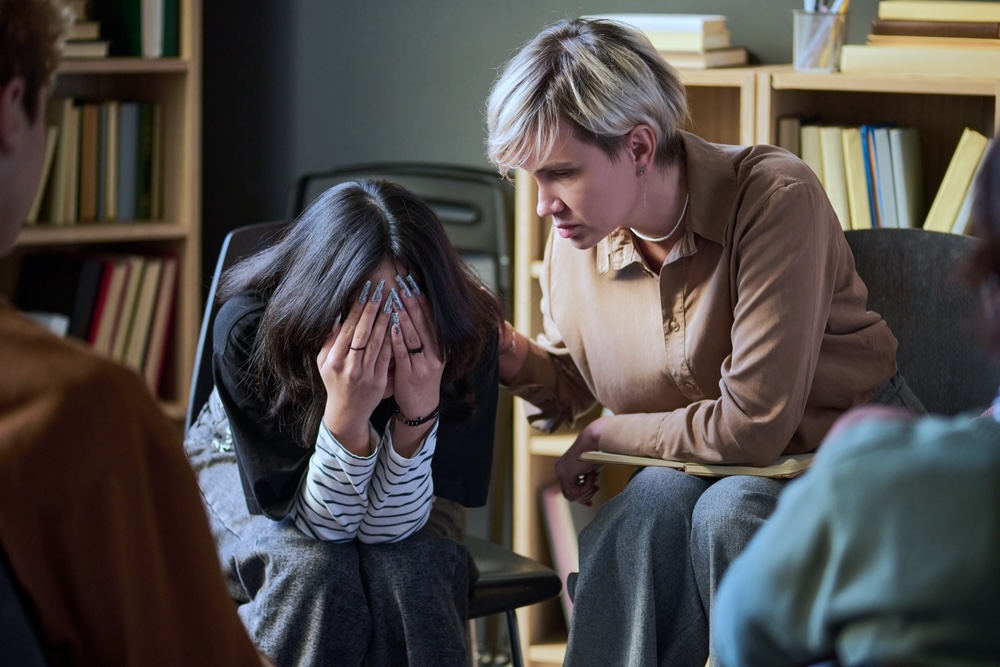
Trauma can affect almost every part of your teen’s life, including emotions, thinking, relationships, and daily routines. Many behaviors that seem confusing or frustrating are actually the brain’s way of trying to stay safe after a distressing experience.
One of the earliest signs of trauma is a noticeable change in your teen’s emotions. They may seem more anxious, withdrawn, overwhelmed, or emotionally numb than before. Some teens cry more easily, while others hide their feelings and appear disconnected from the people around them. You may also notice sudden mood swings that seem out of character. These emotional changes are not signs of weakness. They are often normal responses to experiences that made your teen feel frightened, powerless, or unsafe. When these feelings continue for weeks or begin affecting daily life, professional mental health support can help your teen process those emotions in healthier ways.
A teen who has experienced trauma may avoid anything that reminds them of what happened. That could include certain people, locations, conversations, or activities they once enjoyed. They may refuse to attend school, stop seeing friends, or become upset when a particular topic comes up. Sometimes they cannot explain why they are avoiding these situations because the memories are difficult to process. Avoidance may provide temporary relief, but it can also make fear and anxiety stronger over time. Gentle support and trauma-informed mental health treatment can help your teen face those emotions in a safe and manageable way.
Trauma can leave your teen feeling as though danger is always nearby, even when they are safe. They may startle easily, have trouble relaxing, or constantly scan their surroundings for potential threats. Some teens become irritable because their nervous system stays in a heightened state of alert. Others may have difficulty concentrating because their mind focuses on staying safe instead of everyday tasks. This ongoing state of hypervigilance can affect school, friendships, and family life. Therapy can help your teen learn coping skills that calm the body’s stress response and restore a greater sense of safety.
Trauma often affects routines that once seemed normal. Your teen may struggle to fall asleep, experience nightmares, sleep much more than usual, or lose interest in eating. Others may begin overeating as a way to cope with difficult emotions. You might also notice slipping grades, trouble focusing in class, or a loss of interest in activities they once enjoyed. These changes do not automatically mean your teen has experienced trauma, but they should not be ignored when they appear alongside other emotional or behavioral concerns. A comprehensive mental health evaluation can help identify what your teen needs most.
Trauma can change the way your teen sees themselves. Some teens begin blaming themselves for something that was never their fault, while others carry feelings of shame that make them withdraw from family and friends. They may believe they are unworthy of love, support, or success. These thoughts can slowly damage confidence and make everyday challenges feel even harder to manage. Without help, negative beliefs may continue long after the traumatic experience has ended. Trauma-informed therapy helps teens challenge these harmful thoughts, develop healthier self-esteem, and recognize that their experiences do not define who they are.
Not every teen responds to trauma by becoming quiet or withdrawn. Some become angry, argumentative, or frustrated over situations that once seemed minor. They may react strongly to criticism, become defensive, or struggle to manage disappointment. These emotional reactions often come from feeling overwhelmed rather than wanting to cause problems. Trauma can make it harder for teens to regulate emotions because their brain remains focused on protecting them from perceived danger. Learning healthy coping skills through therapy can help your teen recognize emotional triggers, express feelings more effectively, and respond to stressful situations with greater confidence.

If you recognize several of these teen trauma signs and symptoms, remember that healing is possible. The earlier your teen receives support, the sooner they can begin developing healthier ways to manage emotions and regain a sense of safety.
Choose a calm moment to talk with your teen without pressure or judgment. Let them know you’ve noticed changes and that you’re concerned because you care about their well-being. Avoid pushing them to share every detail of what happened. Instead, focus on listening and reassuring them that they are not alone. Feeling heard and supported can make it easier for your teen to accept help when they are ready.
A licensed mental health professional can determine whether trauma is contributing to your teen’s emotional or behavioral challenges. The assessment looks beyond individual symptoms to understand how your teen is functioning at home, at school, and in relationships. This evaluation helps identify the most appropriate level of care and creates a treatment plan based on your teen’s unique needs. Early assessment also helps address concerns before they become more difficult to manage.
Some teens benefit from a higher level of support when trauma significantly affects their daily lives, relationships, or emotional well-being. Residential mental health treatment provides a structured environment where teens can focus on healing without the pressures of everyday life. Trauma-informed care may include Trauma-Focused Cognitive Behavioral Therapy, Dialectical Behavior Therapy, individual counseling, family therapy, and experiential therapies such as art, music, and mindfulness. Together, these approaches help teens understand their experiences, build healthy coping skills, and strengthen resilience over time.
Trauma can affect the way your teen thinks, feels, and responds to the world, but it does not have to shape their future. Recognizing teen trauma signs and symptoms is an important first step toward helping your child feel safe, understood, and supported. With the right care, teens can learn to manage difficult emotions, rebuild confidence, strengthen relationships, and move forward with healthier coping skills.