
If your teen is in immediate danger or having thoughts of suicide or self-harm, call or text 988 or go to the nearest emergency room. The Kern Behavioral Health Crisis Line is available 24/7 at 1-800-991-5272. This article provides general information and does not replace a professional mental health evaluation.
Some teens can describe their feelings easily. Others shut down when someone asks, “How does that make you feel?” They may shrug, change the subject, or say they don’t know. That response doesn’t always mean they refuse help. Sometimes, traditional conversation simply isn’t the easiest way for them to process what’s happening.
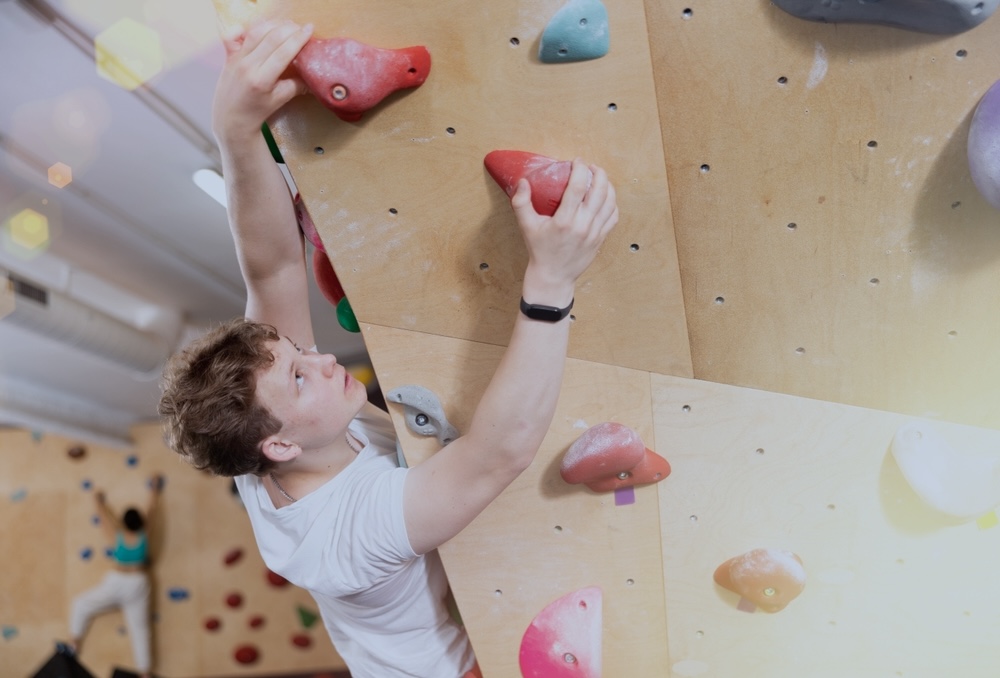
Hands-on therapy gives teens another way to participate. Instead of relying only on sitting and talking, experiential approaches use activities, movement, creativity, and real-world experiences to support emotional growth. Teens can practice skills while doing something meaningful. For young people who feel uncomfortable with direct conversation, this approach can make therapy feel more natural and less intimidating.
1. It Takes Some Pressure Off Talking
A quiet therapy room can feel uncomfortable for a teen who struggles to express emotions. Direct questions may make them feel watched or put on the spot. When they don’t know what to say, the conversation can stall before trust develops.
Hands-on therapy changes that dynamic.
An activity gives the teen something else to focus on while interacting with a therapist or group. Conversation can develop around what they’re doing instead of beginning with a demand to explain difficult feelings.
This matters because engagement often comes before deeper emotional work.
A teen may start by discussing frustration during an activity. Later, that conversation might connect to frustration at school or home. The therapist still helps the teen explore emotions, but the process begins through experience rather than interrogation.
For some teens, doing first makes talking easier afterward.
2. Experiences Can Make Abstract Skills Feel Real
Therapists often teach concepts such as emotional regulation, patience, problem-solving, and communication. Those ideas can sound reasonable in a session but feel harder to use when real stress appears.
Hands-on therapy lets teens practice those skills in the moment.
An activity may require them to tolerate frustration, ask for help, work with another person, adapt when something goes wrong, or continue after making a mistake. The experience creates an immediate situation where coping skills become useful.
That makes therapy less theoretical.
Instead of only discussing how to manage frustration, a teen can notice frustration happening and try a different response. They may practice slowing down, communicating clearly, or changing their approach.
The lesson becomes connected to something they actually experienced. That connection can make it easier to remember and apply later.
3. Activities Can Reveal Patterns Teens Don’t Recognize
People often repeat the same reactions without realizing it.
A teen might give up quickly when something becomes difficult. Another may avoid asking for help because they fear looking incapable. Someone else might become frustrated when they can’t control how an activity unfolds.
These patterns may appear naturally during experiential therapy.
A therapist can help the teen notice what happened without turning the moment into criticism. Together, they can explore questions such as, “What did you notice when that got harder?” or “What made asking for help uncomfortable?”
The activity becomes useful information.
Teens can then connect those patterns to other parts of life. Giving up during a challenge may resemble avoiding difficult schoolwork. Wanting total control could appear during family disagreements.
Recognizing the pattern gives the teen a chance to choose something different next time.
4. Hands-On Success Can Build Confidence
Some teens enter treatment carrying a long list of experiences that felt like failure.
They may have struggled academically, lost friendships, argued at home, or felt unsuccessful at managing emotions. Repeated setbacks can shape how they see themselves.
Hands-on therapy creates opportunities for smaller, more immediate successes.
Completing a task, trying again after frustration, contributing to a group activity, or learning something new can give teens evidence that they can make progress.
These moments may seem simple, but they can challenge rigid beliefs such as “I can’t do anything right” or “I always mess up.”
Confidence grows through experience.
A teen doesn’t have to be told that they’re capable. They can begin seeing it through their own actions.
That sense of capability can support greater participation in other parts of treatment.

5. Movement and Creativity Can Give Emotions Another Outlet
Not every emotion arrives with clear words attached.
A teen may know they feel tense, angry, restless, or overwhelmed without being able to explain why. Asking for a detailed explanation too early can sometimes create more frustration.
Creative and experiential activities offer another starting point.
Art, music, movement, structured activities, and other hands-on experiences can help teens express themselves without needing a perfect explanation first. The goal isn’t to avoid talking forever. Instead, these activities can open another doorway into emotional understanding.
A teen might recognize a feeling during an activity before they can name it. With support, they can begin connecting that physical or emotional response to what’s happening in their lives.
Expression becomes part of the process rather than something they must master before therapy can begin.
Different Ways of Engaging Can Lead to Meaningful Progress
Talk therapy remains valuable for many teens, but treatment doesn’t need to depend on conversation alone. Some adolescents engage more fully when therapy includes action, creativity, movement, or practical experiences. These approaches can reduce pressure, make skills easier to understand, reveal behavioral patterns, and give teens another way to express what they’re going through.
At Brighter Days Ahead, we use individualized treatment rather than expecting every teen to respond to the same method. Our residential program for ages 12–17 can include experiential therapy, counseling, evidence-based clinical approaches, creative therapies, academics, and family support based on each teen’s needs. If your teen has struggled to engage in traditional therapy, our team can help your family explore approaches that may help them participate in treatment more comfortably.